
Every year, dogs and other animals find themselves in shelters and rescue organisations across New Zealand, waiting for a second chance at a loving home. Sadly, some animals may be euthanised when shelters face limited space and resources.
The benefits of adopting a pet can be life-changing, and you might just find that your soulmate isn't what you expected, but exactly what you need.
If you're not in a position to adopt, you can still help animals in need by fostering, donating, or volunteering.
For those considering adoption, here are some of the biggest benefits, along with a few handy tips.

A life can be saved
By adopting a pet from a shelter or local rescue group, you can help give an animal a second chance at life.
Many pets in shelters are waiting for a loving home. Some may have experienced neglect, mistreatment, or changes in their previous owner's circumstances that meant they could no longer be cared for.
By adopting, you're also freeing up valuable space and resources for other animals in need. Many rescue organisations have limited capacity, so every successful adoption can help them continue their important work.
Support a bigger cause
While awareness of animal adoption and responsible pet ownership has grown, unethical breeding practices and puppy farms still exist.
By choosing to adopt, you're helping provide a home for an animal already in need rather than contributing to the demand for newly bred pets.
You're also supporting rescue groups and shelters that work tirelessly to care for abandoned, surrendered, and neglected animals.
Microchipped and desexed
Many rescue organisations arrange for cats and dogs to be desexed, microchipped, and vaccinated before adoption, with these services often included in the adoption fee.
This can save you time and money compared to arranging these procedures separately.
However, inclusions can vary depending on the animal and rescue organisation, so it's important to confirm exactly what's covered before adopting.
Desexing is a common veterinary procedure, but it still requires appropriate care and recovery time. Adopting a pet that's already undergone the procedure may also mean you won't need to organise this yourself.
Socialised and mature
When adopting a rescue pet, you may find that they've already had experience living with people or other animals through previous homes or foster care.
Some older cats and dogs may also be more settled than younger pets, making them a great option for households that don't have the time or energy to raise a puppy or kitten.
However, every rescue pet is different. Some may need extra patience, training, or support while adjusting to their new surroundings.
Toilet trained or 'in training'
If you've experienced the challenges of toilet training a young pet, you'll know it can take plenty of time and patience!
One of the benefits of adopting an older rescue pet is that they may already be toilet trained, particularly if they've previously lived in a home.
Of course, this isn't guaranteed. Some rescue pets may need additional training or a little time to adjust to a new environment and routine.
The good news is that with consistency, patience, and positive reinforcement, pets of all ages can learn new habits.
Behaviour assessment and vet check
When you're ready to adopt a pet from a rescue group or shelter, you'll often receive information about their age, personality, temperament, medical history, and any special needs.
This can help you get to know your potential new companion before bringing them home.
It's particularly useful for families with children or other pets, as the rescue organisation can help you understand whether the animal is likely to suit your household and lifestyle.
Many reputable rescue organisations also arrange veterinary examinations, vaccinations, parasite prevention, and behavioural assessments before adoption.
However, the specific health checks and treatments provided can vary, so always ask for relevant medical records and information about any ongoing care requirements.
Considering a senior pet?
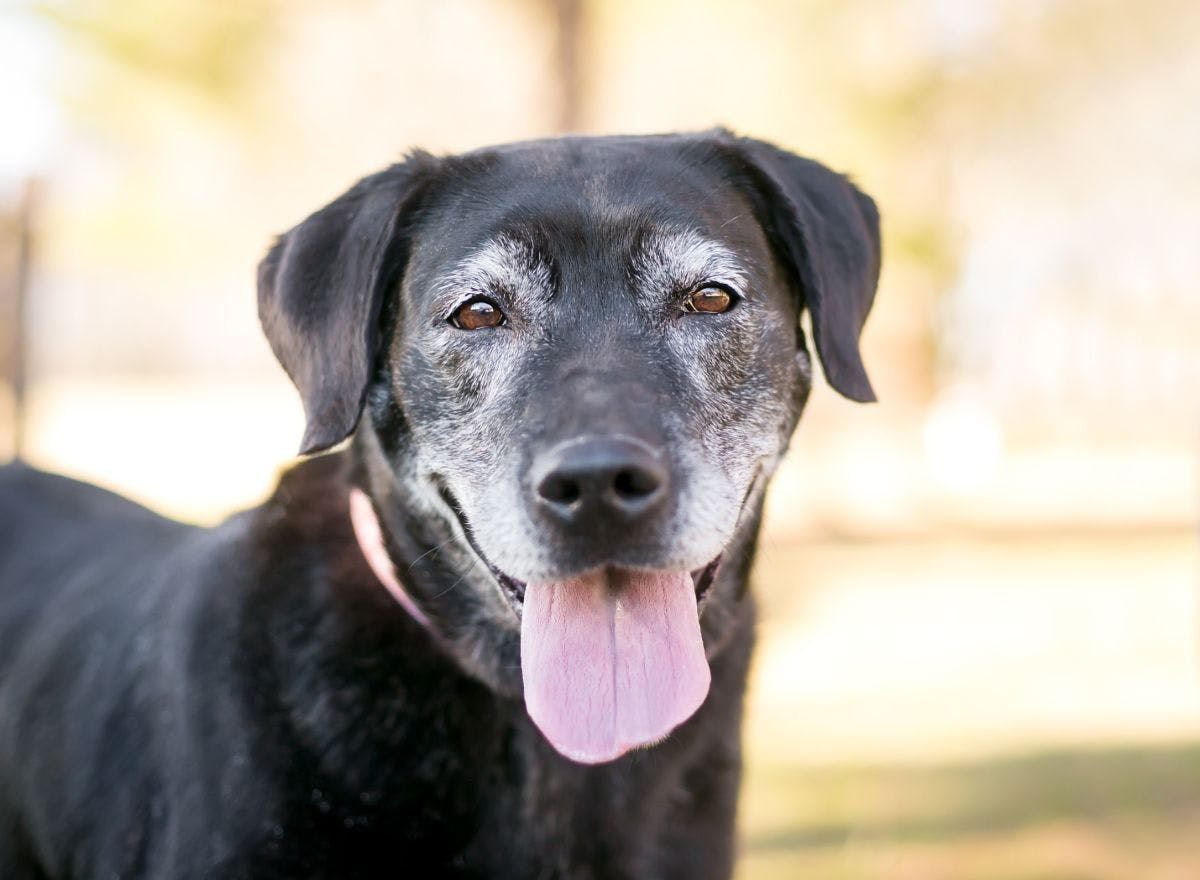
While puppies and kittens are undeniably adorable, it's also worth considering adopting an older pet.
Senior pets have just as much love to give and may already have established routines, basic training, and experience living in a home.
They can be a wonderful choice for people looking for a more settled companion, although some older pets may require additional veterinary care or support as they age.
Adopting a senior pet means giving an animal the chance to enjoy their later years in a safe, loving home.
Pet behaviourist and TV host Lara Shannon also believes that older rescue pets can be particularly loving and eager to please.
Lara adopted her much-loved companion, Darcy, from someone who could no longer care for him due to a change in living circumstances, and she's never looked back!
"Having owned two rescue dogs of my own, I have found them to be the most loving and eager-to-please dogs I've ever had. After their rocky early lives, they just to seem to know they have been given a second chance and really appreciate the love and care they now receive." – Lara Shannon

Types of animals you can adopt
Adopting a pet doesn't just mean bringing home a dog or cat. There are many different types of animals available for adoption through local rescue groups and shelters.
If you're searching for a new companion, it's worth considering which type of animal best suits your lifestyle, living arrangements, and ability to provide long-term care.
You might even discover that the animal you originally planned to adopt isn't necessarily the best fit for your household.
Which animal is right for you or your family?
Dogs: Loyal, affectionate, and sociable, dogs can make wonderful companions for individuals and families. However, they need regular exercise, training, socialisation, and plenty of attention. Breed characteristics, temperament, and individual needs should all be considered before adopting.
Cats: Intelligent, curious, and often independent, cats can be great companions for people with different lifestyles. Although they may not require the same level of exercise as dogs, they still need daily interaction, enrichment, and a safe, stimulating environment.
Birds: Intelligent and interactive, birds can form strong bonds with their owners. However, their care requirements vary significantly between species. Many need daily social interaction, exercise, enrichment, and regular cage cleaning. Some birds also have particularly long lifespans, making them a significant commitment.
Horses: Horses can form wonderful bonds with people and offer opportunities for outdoor activities and long-term hobbies. However, they require substantial space, specialised care, regular veterinary attention, and ongoing financial commitment.
Rabbits: Gentle, curious, and social, rabbits can make lovely companions. However, they're not low-maintenance pets. They need plenty of space to exercise, a suitable diet, daily enrichment, and companionship from other compatible rabbits.
Guinea pigs: Social and gentle, guinea pigs are popular small pets that thrive with compatible companions of their own species. They need a spacious, clean enclosure, regular interaction, and a balanced diet that includes plenty of hay and vitamin C.
Chickens: Chickens can be entertaining and rewarding pets, particularly for households with suitable outdoor space. They need secure housing, appropriate nutrition, companionship, and protection from predators. It's also important to check local council regulations before adopting.
Reptiles: Reptiles can be fascinating pets, but they have highly specialised care requirements. Depending on the species, they may need specific heating, lighting, humidity, and dietary conditions. In New Zealand, it's also important to check legal requirements and permits before considering reptile ownership.
As you search for the right animal to adopt, consider pets that may not receive as much attention as younger animals.
You may come across rescue pets with disabilities, ongoing medical conditions, or other special needs. With the right environment, resources, and commitment, one of these animals could be your perfect lifelong companion!

Beginning your search for a rescue pet
Finding the right rescue pet is becoming easier, with many rescue groups and shelters offering online adoption profiles and information about the animals in their care.
However, before committing to adoption, it's important to research the rescue organisation, learn about the animal's background, and make sure you understand their needs.
Speak with the rescue group or foster carer about the pet's personality, medical history, behaviour, and any ongoing care requirements.
Taking the time to ask questions and prepare your home will help you make an informed decision and give your new companion the best possible start.
Hot tip: Always speak with the rescue organisation or foster carer before adopting. They can provide valuable information about your potential new pet and help you decide whether they're the right match for your family.
Give a rescue pet a second chance
Thinking about welcoming a rescue pet into your family? Explore Petstock's Adoption Hub to learn more about adopting, find helpful resources, and discover how you can give a pet in need a loving home.